1. Pre-Packaging Strategy: Ensuring Product Integrity
Before a bath bomb ever touches its decorative wrapper, it must be physically stable. Professional packaging begins the moment the bomb leaves the mold.
1.1 Proper Curing and Humidity Control
Bath bombs are hygroscopic, meaning they actively absorb moisture from the air. To ensure a long shelf life, they must be fully cured. This typically involves letting the bombs sit in a low-humidity environment (ideally below 40%) for 24 to 48 hours. If packaged while still "green" or damp, they may activate inside the packaging, leading to soft spots or "warting."
1.2 Cleaning and Polishing the Surface
Professional makers don't skip the aesthetics. Use a soft, dry brush or a microfiber cloth to gently remove any loose powder or jagged seams from the molding process. This ensures that the primary wrap sits flush against the surface and that no loose dust obscures the clarity of the packaging.
1.3 Organizing Inventory by Scent and Batch
Maintain a "First In, First Out" (FIFO) system. Organize your curing racks by batch date and scent. This prevents scent contamination (where a peppermint bomb begins to smell like lavender) and ensures you aren't shipping older stock that may have lost its fizzing potency.
2. Primary Packaging: Protecting the Product
Primary packaging is the layer that makes direct contact with your product. Its main job is to act as a barrier against moisture and air.
2.1 Shrink Wrapping for Moisture Resistance
Shrink wrap is the industry standard for a reason. It provides a tamper-evident seal and an airtight barrier that prevents humidity from prematurely activating the citric acid and sodium bicarbonate. Using a heat gun and 100-gauge PVC or polyolefin bags provides a professional, "factory-finished" look.
2.2 Biodegradable Film and Eco-Friendly Alternatives
For brands focusing on sustainability, Biolefin is a popular choice. It is an oxo-biodegradable shrink film that performs like traditional plastic but breaks down significantly faster in a landfill environment, appealing to the eco-conscious consumer.
2.3 Tissue Paper Wrapping for a Boutique Aesthetic
If you prefer a rustic or high-end boutique feel, wrapping bath bombs in high-quality, acid-free tissue paper is an excellent option. While it offers less moisture protection than plastic, it provides a tactile, "gift-like" experience. This is often paired with a secondary airtight container.
2.4 Vacuum Sealing for Long-Term Storage
If you are prepping for a large seasonal market months in advance, vacuum sealing multiple units together can preserve freshness. However, care must be taken not to apply too much pressure, which could crush delicate embeds or botanicals on the surface.
3. Secondary Packaging: Branding and Presentation
This is where your brand story comes to life. Secondary packaging is what the customer sees on the shelf.
3.1 Custom Cardboard Product Boxes
Custom-printed boxes offer the highest level of professional appeal. They provide a flat surface for branding and ingredients while offering an extra layer of structural protection against impact.
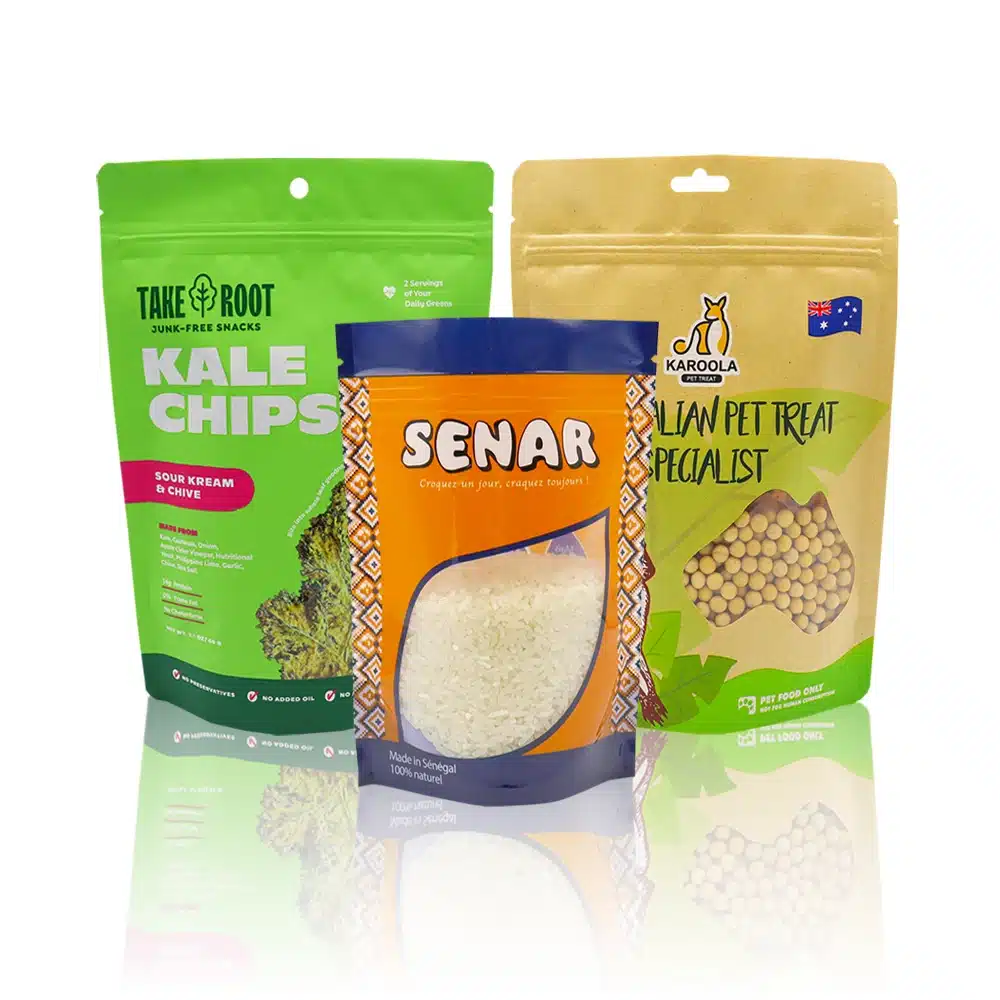
3.2 Kraft Bags and Clear Window Pouches
Kraft paper bags with a PLA (plant-based plastic) lining offer a "natural" look. Choosing bags with a clear window allows the vibrant colors and textures of your bath bombs to act as their own marketing tool.
3.3 Reusable Glass Jars and Metal Tins
For premium lines, consider glass apothecary jars or aluminum tins. These are highly valued by customers for their reusability (upcycling) and provide an airtight environment that keeps scents potent for much longer than paper.
3.4 Multi-Pack Gift Sets and Rigid Boxes
Increase your Average Order Value (AOV) by offering curated sets. Using rigid "setup boxes" with custom foam or cardboard inserts ensures that the bath bombs do not rattle against each other during transport.
4. Labeling and Compliance Logistics
Beauty and bath products are regulated items. Professionalism in this category is defined by legal accuracy.
Note: Always check your local jurisdiction (FDA in the US, EU Cosmetics Regulation in Europe) for specific labeling laws.
4.1 Meeting Legal Ingredient Listing Requirements (INCI)
Ingredients must be listed using the International Nomenclature Cosmetic Ingredient (INCI) names. For example, instead of "Baking Soda," you must list "Sodium Bicarbonate." Ingredients should be listed in descending order of predominance.
4.2 Designing High-Impact Brand Labels
Your logo and product name should be the focal point. Use high-resolution printing to ensure that small text (like ingredients) is legible. Waterproof labels are highly recommended, as these products are used in wet environments.
4.3 Essential Safety Warnings and Usage Instructions
Always include a "Caution" statement regarding slippery tubs and a "For External Use Only" warning. If your product contains oils that could cause a slip hazard, this is a vital legal protection for your business.
4.4 Utilizing QR Codes for Digital Brand Engagement
Small packaging often lacks space. A QR code can lead customers to a video of the bath bomb in action, a full list of your product catalog, or a loyalty program sign-up page.
5. Shipping and Fulfillment Strategy
The best packaging in the world fails if the product arrives as a pile of dust.
5.1 Selecting Impact-Resistant Void Fill (Crinkle Paper vs. Peanuts)
Bath bombs are brittle. Crinkle paper provides excellent "nesting" capabilities, while dissolvable starch peanuts are an eco-friendly way to fill large gaps. Avoid bubble wrap if you are aiming for a premium, plastic-free brand image.
5.2 Managing Temperature Sensitivity During Transit
High temperatures during summer shipping can cause certain "butters" (like cocoa or shea) in your bath bombs to soften or melt. Consider using insulated box liners or avoiding Friday shipments during heatwaves to prevent packages from sitting in hot sorting facilities over the weekend.
5.3 Optimizing Box Dimensions to Reduce Shipping Costs
Shipping costs are often calculated by "dimensional weight." Use the smallest box possible that still allows for at least 2 inches of padding around the product to maximize profit margins.
5.4 The "Unboxing Experience": Thank You Notes and Inserts
The transaction doesn't end at the purchase. Including a handwritten thank you note or a discount code for their next purchase turns a one-time buyer into a brand advocate.
6. Sustainability and Market Positioning
Modern consumers are increasingly choosing brands based on their environmental impact.
6.1 Sourcing FSC-Certified Paper Materials
Ensure your cardboard and paper are sourced from Forest Stewardship Council (FSC) certified forests. This certification guarantees that the wood was harvested responsibly and sustainably.
6.2 Eliminating Single-Use Plastics
If possible, transition away from plastic shrink wrap toward cellulose-based films or simple paper wraps. This can be a major selling point in your marketing copy.
6.3 Communicating Your Eco-Friendly Values to Customers
Don't hide your efforts. Use small icons on your packaging to indicate that it is "Compostable," "Recyclable," or "Plastic-Free." Education is a key part of the professional packaging journey.
© 2023 Professional Soapmakers & Cosmetic Artisans Guide. All rights reserved.