Picture this: you drop a bright, dense sphere into warm water. Within seconds, it erupts — fizzing wildly, releasing ribbons of color, filling the room with lavender or eucalyptus or something sweet you can't quite name. The water turns silky. Your shoulders drop. The day starts to dissolve along with it.
But what actually makes that thing fizz? Is it genuinely good for your skin, or just a pretty gimmick? And if you're sitting on one from last Christmas — does it still work?
Bath bombs have gone from niche luxury to mainstream self-care staple. They're also one of the fastest-growing product categories for retailers, e-commerce brands, and hospitality businesses. Let's break down what a bath bomb really is, how the chemistry works, and what separates a great one from a forgettable one.
What Exactly Is a Bath Bomb?
The Basic Definition
A bath bomb is a compact, dry mixture of ingredients that effervesces when it hits water. You'll also hear them called a bath fizzy or bath fizzies. The concept was invented in 1989 by Mo Constantine, co-founder of Lush — she was inspired by the way Alka-Seltzer tablets dissolved.
The purpose is simple: transform an ordinary bath into a multi-sensory experience. Color, fragrance, skin-nourishing oils — all delivered through that satisfying fizz.
What's Inside — Core Ingredients Breakdown
- Sodium bicarbonate (baking soda): the alkaline base that reacts with acid to create fizz. It also softens water naturally.
- Citric acid: the acid component that triggers carbon dioxide release on contact with water.
- Essential oils or fragrance oils: lavender, eucalyptus, peppermint — these provide real aromatherapy benefits.
- Carrier oils and butters: coconut oil, shea butter, sweet almond oil — responsible for the skin moisturizing effect you feel after soaking.
- Colorants: cosmetic-grade micas, FD&C dyes, or natural options like beetroot powder.
- Extras: dried botanicals, Epsom salt, clays, biodegradable glitter, or embedded surprises.
The Chemistry — Why Does It Fizz?
It's a straightforward acid-base reaction: citric acid + sodium bicarbonate → sodium citrate + water + CO₂ gas. Those CO₂ bubbles are what create the dramatic effervescence you see.
The reaction only triggers in the presence of water, which is exactly why bath bombs must be stored dry. A quick science note: the typical ratio is 1 part citric acid to 2 parts baking soda. Adjusting this ratio controls fizz intensity and duration.
Types of Bath Bombs (Not All Are Created Equal)
By Function
- Moisturizing bath bombs: heavy on butters and oils, leaving skin silky. Ideal for dry skin.
- Aromatherapy bath bombs: focused on essential oils for relaxation, energy, or stress relief.
- Color-show bath bombs: designed for dramatic visual effects — rainbow swirls, galaxy themes.
- Therapeutic bath bombs: contain Epsom salt, CBD, menthol, or oatmeal for muscle relief or sensitive skin.
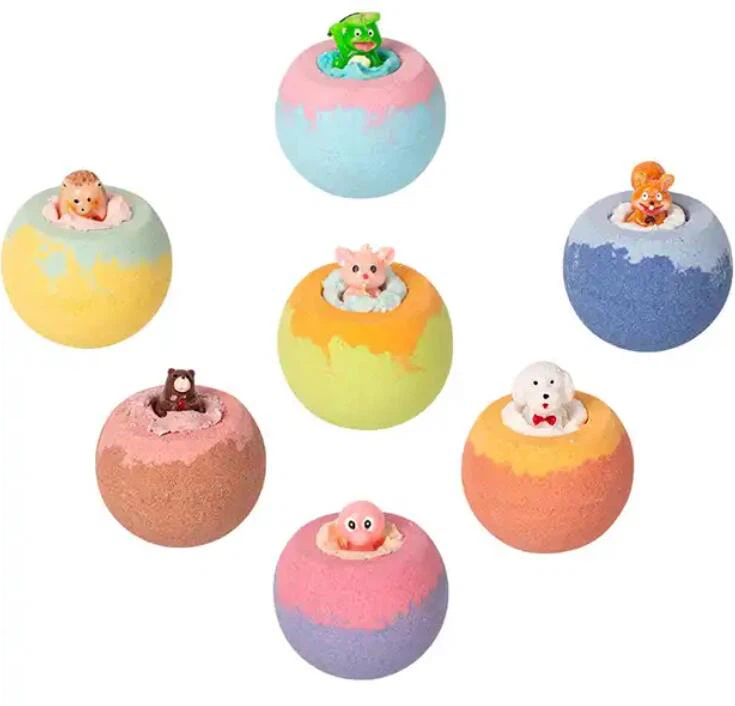
- Novelty/surprise bath bombs: embedded toys, rings, or messages inside.
By Shape, Size & Format
The classic sphere (60g–200g) is most common, but you'll find cupcakes, donuts, hearts, and seasonal shapes. Mini bath bombs work well for gifting or trial. There's also bath bomb crumbles — a loose, scoopable format gaining popularity.
Benefits of Using Bath Bombs
Skin Benefits
Sodium bicarbonate softens hard water, making it gentler on skin. The oils and butters provide a layer of skin moisturizing without that greasy residue nobody wants. Some formulations include vitamins E and C or hyaluronic acid for added hydration. Citric acid even acts as a mild exfoliant at low concentrations.
Mental & Emotional Benefits
Aromatherapy through essential oils is real — lavender for calm, citrus for mood boost, eucalyptus for mental clarity. A 2018 study published in Evidence-Based Complementary and Alternative Medicine found that the ritual of bathing itself measurably reduces cortisol levels. The sensory engagement of color, scent, and fizz enhances mindfulness in a way that scrolling your phone in the tub simply doesn't.
Who Are Bath Bombs For?
Anyone who takes baths bombs — but they're especially popular among women 18–45, parents buying for kids, and wellness-focused consumers. The male segment is growing fast too, with woodsy, unscented, or sport-recovery formulations. Hotels, spas, and salons increasingly use them as amenity upgrades that guests actually remember.
Do Bath Bombs Expire? Shelf Life & Storage Guide
Short Answer — Yes, Bath Bombs Do Expire
Typical shelf life runs 6–12 months if stored properly. Well-formulated, shrink-wrapped products can last up to 24 months. They don't become dangerous — but they lose fizz potency, scent strength, and color vibrancy over time. The culprit? Citric acid absorbs moisture from air, triggering a premature reaction that weakens the fizz you paid for.
How to Tell If a Bath Bomb Has Gone Bad
- Reduced or no fizz when placed in water
- Faded color or chalky surface
- Weak or off-putting scent
- Crumbling or cracking texture
Storage Best Practices
Keep them in airtight containers or shrink-wrap individually. Store in a cool, dry place away from humidity — ironically, not in the bathroom. Avoid direct sunlight, which degrades colorants and fragrance. For retailers and wholesalers: climate-controlled warehousing extends shelf life significantly and reduces customer complaints.
What to Look for When Buying Bath Bombs
For Personal Use
Check the ingredient list — avoid synthetic fragrances if you have sensitive skin. Look for skin-nourishing oils, not just colorant and fragrance. Verify colorants are tub-safe and won't stain your bathtub. And remember: bigger isn't always better. Density and ingredient quality matter more than size.
For Business Buyers
If you're sourcing for retail or your own brand, the checklist looks different. You need ingredient transparency with MSDS/COA documentation. MOQ flexibility for testing new SKUs. Customization options for scent, color, shape, and packaging. Compliance certifications — GMP, ISO, CPSR for EU markets, FDA registration. Shelf-life testing data. And above all, consistent batch quality. That's what separates hobbyist suppliers from real manufacturers.
The Bath Bomb Market — Why This Category Matters for Brands
The global bath bomb market is valued at approximately $1.5 billion as of 2025, with steady year-over-year growth driven by self-care trends, gifting culture, and social media unboxing content. It's a consumable product with emotional appeal and a high repeat-purchase rate.
For private label and wholesale buyers, the opportunities are clear. Bath bombs pair naturally with complementary products like shampoo bars and body scrubs. Seasonal and limited-edition releases drive urgency. Subscription box inclusion remains a strong channel. And hotel/spa amenity programs increasingly want artisan-style bath products that feel premium without the premium price tag.
Partner with Poleview — Your Bath Bomb & Personal Care Manufacturing Partner
Why Brands Choose Poleview
With 15+ years of OEM/ODM experience in personal care — bath bombs, shampoo bars, soaps, skincare — Poleview operates a GMP-certified facility with an in-house R&D lab for custom formulation. We handle the full chain: concept, formulation, filling, packaging, and shipping.
Low MOQs are available for startups and test runs, with scalable production for enterprise orders. Every project comes with compliance documentation — COA, MSDS, stability reports — so you're never scrambling before a product launch.
Let's Build Your Next Product Together
Whether you're exploring a bath bomb line or expanding an existing personal care range, Poleview's team handles formulation, production, and compliance — so you can focus on your brand and your customers.
Explore wholesale options and request a quote →
Custom scent and color matching. A dedicated account manager for every project. Reach out — we'll take it from there.
FAQ
Q: Are bath bombs safe for sensitive skin?
A: Generally yes, if formulated without harsh dyes or synthetic fragrance. Look for hypoallergenic or dermatologist-tested labels. Oatmeal and chamomile formulations tend to be gentlest.
Q: Do bath bombs expire?
A: Yes. Most last 6–12 months. They lose fizz and fragrance over time but don't become harmful. Proper airtight storage extends usability considerably.
Q: Can bath bombs clog drains?
A: Quality bath bombs dissolve fully. Cheap ones with excessive glitter, large petals, or undissolved fillers can cause buildup over time. Check that any botanicals are finely ground.
Q: Are bath bombs safe for kids?
A: Most are, but choose fragrance-free or lightly scented options without small embedded objects for young children. Avoid strong essential oils like peppermint or eucalyptus for children under 3.
Q: Do bath bombs actually clean you?
A: Not really. They're for relaxation and skin conditioning, not cleansing. Think of them as a soak enhancer, not a soap replacement.
Q: What's the difference between cheap and premium bath bombs?
A: Ingredient quality (synthetic fragrance vs. pure essential oils), fizz duration, skin-feel after bathing, color vibrancy without staining, and packaging stability. You can usually tell within the first 30 seconds in water.