
It's 9 p.m., the tap is running, and you're peeling shrink wrap off a lavender bath bomb you were given months ago. Should it go in now or after the tub fills? Can you climb in while it's still fizzing?
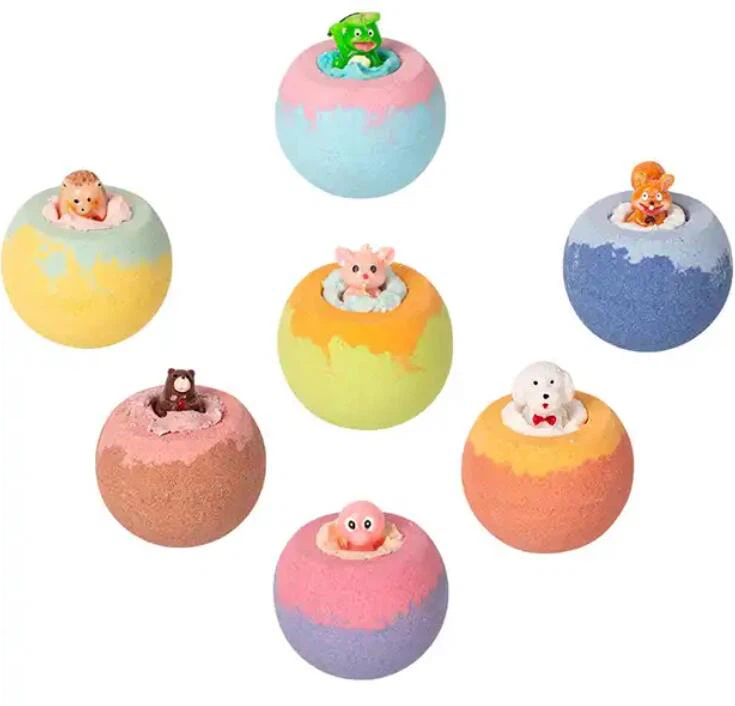
A bath bomb is a pressed ball of baking soda and citric acid that fizzes in water and releases fragrance, oils or color. Below you'll find a 7-step routine and fixes for the most common problems.
Key Takeaways
- Fill the tub first with warm water at about 37–39°C (98–102°F), then drop the bomb in.
- Wait for the fizz to finish (usually 2–5 minutes), then soak for 15–20 minutes.
- Read the ingredient list. Fragrance, dyes and glitter are the likeliest irritants.
- Patch-test if your skin is sensitive. Skip fragranced bombs if you're prone to UTIs or vaginal irritation.
- Rinse your skin and wipe the tub afterward to prevent slips and stains.
What Happens When a Bath Bomb Hits the Water?
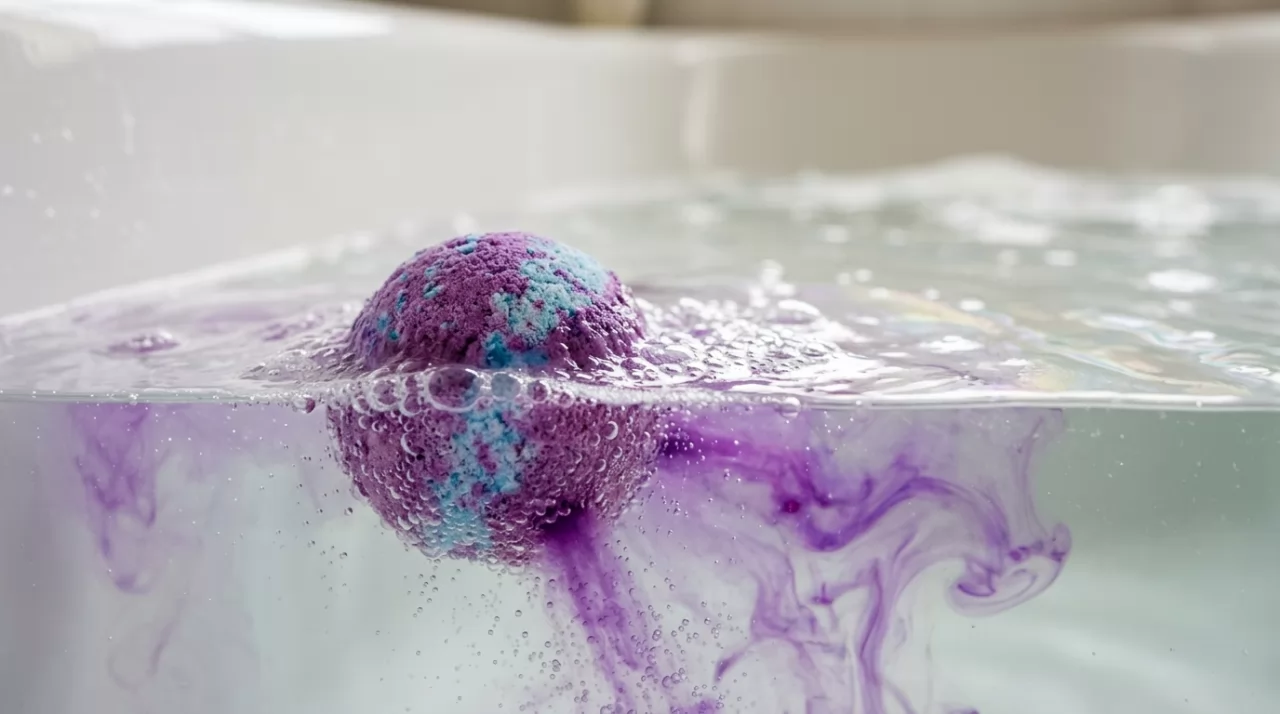
When a bath bomb hits the water, sodium bicarbonate (baking soda) reacts with citric acid and releases carbon dioxide gas. Those bubbles are the fizz. As the ball breaks apart, they carry its oils, fragrance and colorants into the bath. The reaction is mild and usually finishes within two to five minutes.
Ingredient labels list everything by its INCI name. INCI (International Nomenclature of Cosmetic Ingredients) is a standard naming system, so the same ingredient has the same name on every brand's label. That's why baking soda shows up as "Sodium Bicarbonate."
The table shows what a typical bath bomb contains and which ingredients deserve a second look.
| Everyday name | INCI name | What it does | Who should be careful |
|---|---|---|---|
| Baking soda | Sodium Bicarbonate | Main base of the fizz; makes water feel softer | Rarely a problem at bath dilution |
| Citric acid | Citric Acid | Reacts with baking soda to create bubbles | Can sting broken or freshly shaved skin |
| Epsom salt | Magnesium Sulfate | Adds bulk and a silky water feel | People with cuts or open wounds |
| Shea butter | Butyrospermum Parkii (Shea) Butter | Leaves a softening film on skin | Anyone worried about a slippery tub |
| Fragrance | Parfum / Fragrance | Scent | Sensitive or eczema-prone skin; dermatology guidance names fragrance as a frequent cause of contact allergy |
| Colorants and mica | CI numbers (e.g., CI 19140), Mica | Color and shimmer | Reactive skin; owners of light acrylic tubs |
Keep your expectations realistic. A warm, scented bath can help you unwind and leave your skin feeling softer, and that's the main benefit of a bath bomb. Bath bombs are not medicine. There's no solid evidence that they "detox" your body or treat skin conditions.
Is a Bath Bomb Safe for Your Skin? Prep and Patch-Test First
A bath bomb is safe for most adults with healthy skin when used as the label directs. Fragrance and dyes are the ingredients most likely to cause itching or redness. If you have sensitive or reactive skin, do a quick patch test 24 hours before your first full soak with a new product.
What to Gather Before You Start
- Clean tub: leftover soap film weakens the fizz.
- Bath thermometer (optional): takes the guesswork out of water temperature.
- Non-slip mat: oils and butters make the tub floor slick.
- Towel and moisturizer: keep both within reach.
- Glass of water: long, warm soaks can leave you thirsty.
A Simple 24-Hour Patch Test
Wet a crumb of the bomb and dab it onto your inner forearm. Rinse it off after 10 minutes, then check the spot over the next 24 hours.
Redness, itching or swelling means that product isn't for you. No reaction? You're good to go.
Who Should Skip It or Ask a Doctor First
- Eczema or psoriasis flare-ups: fragrance and dyes can make inflamed skin worse.
- Frequent UTIs or yeast infections: many gynecologists advise avoiding fragranced bath products. A plain warm bath is the safer swap.
- Broken skin: cuts, fresh shaves and recent waxing all sting more.
- Pregnancy: ask your doctor or midwife about water temperature and essential oils.
- Young children: only use products labeled for kids.
Read the warnings printed on the product too. They often list specific ingredients or age limits.
How to Use a Bath Bomb, Step by Step
To use a bath bomb properly, fill a clean tub with warm water at about 37–39°C (98–102°F), unwrap the bomb fully, drop it in, and wait for the fizzing to stop before you get in. Soak for 15–20 minutes, then rinse off in the shower and wipe the tub before any color dries.
These bath bomb instructions work for nearly any standard-size bomb:
- Rinse the tub. Run water around the tub to clear soap and shampoo residue, which can dull the fizz.
- Fill it about two-thirds full with warm water. The right bath bomb water temperature is about 37–39°C (98–102°F), close to body temperature. Hotter water dries out your skin and burns off the scent faster.
- Unwrap it completely. Remove the clear film, paper labels and stickers. Paper left on can clog the drain.
- Drop the bomb in the middle of the filled tub. Lower it in gently so dye doesn't splash onto the walls. [Image placeholder: bath bomb fizzing in the center of a full tub]
- Wait for the fizzing to stop. This usually takes 2–5 minutes, depending on size. Swirl the water with your hand to spread the oils and color evenly.
- Soak for 15–20 minutes. That's a sensible soak time for most people. Keep it to about 10 minutes if your skin is dry or sensitive, and get out sooner if you feel lightheaded.
- Rinse, moisturize and wipe. Drain the tub and take a quick lukewarm shower. Pat dry and apply moisturizer while your skin is still slightly damp, then wipe the tub straight away.
Tap Stream or Still Water: Which Gives More Fizz?
Under a running tap, the bomb reacts faster and makes more foam, but the scent fades sooner. In still water you get a slower show that lasts longer.
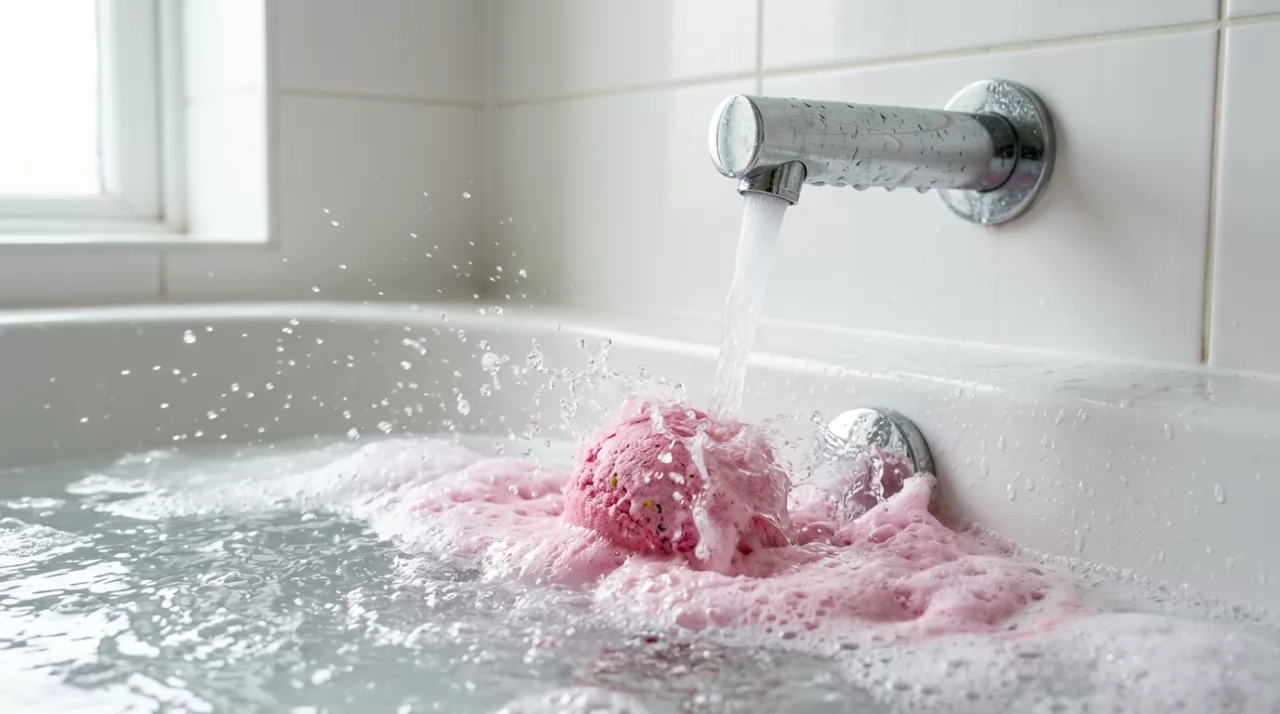
If the scent matters most to you, choose still water.
Can You Use Half a Bath Bomb?
Yes. Cut it with a serrated knife, using a gentle sawing motion so it doesn't shatter. Seal the other half in an airtight bag or jar right away. Humidity can set off the reaction early and leave you with a flat, crumbly lump. Half a bomb also suits a small tub or a first try on sensitive skin.
Bath Bomb vs. Bath Salts vs. Bubble Bath: Pros and Cons
Bath bombs beat bath salts and bubble bath on scent and visual fun. They also leave more residue in the tub and contain more possible irritants than plain, unscented Epsom salts. Bubble bath sits in between: plenty of foam, though its cleansing agents can dry out skin during long soaks.
Unscented salts are the gentlest of the three, and bath bombs are the most fun but the most work to clean up.
| Feature | Bath bomb | Bath salts (plain Epsom) | Bubble bath |
|---|---|---|---|
| Fizz / foam | Strong fizz, color swirls | None | Thick foam |
| Skin feel | Soft, sometimes oily | Silky water, no film | Can feel drying |
| Irritation risk | Moderate (fragrance, dyes) | Low if unscented | Moderate (surfactants, fragrance) |
| Cleanup effort | High: dye, oil, glitter | Minimal | Low |
| Typical cost per bath (typical retail range) | About US$3–10 | Usually under US$1 | Usually under US$1 |
Looking only at bath bombs, the trade-offs look like this:
| Pros | Cons |
|---|---|
| Strong scent and a fun visual moment | Fragrance and dyes can irritate sensitive skin |
| Butters and oils leave skin feeling soft | Oils make the tub slippery |
| Pre-measured, so there's nothing to scoop | Mica and dyes can stain light tubs |
| Easy to give as a gift | Costs more per bath and loses fizz over time |
- Sensitive skin: unscented Epsom salts.
- A treat night: a bath bomb, with a towel ready for the tub.
- Lots of foam on a budget: bubble bath, used sparingly.
Why Didn't My Bath Bomb Fizz? Fixing Common Problems
A bath bomb that won't fizz has usually absorbed humidity in storage, which starts a slow reaction before it ever reaches the tub. Cool water and soap residue can also weaken the fizz. Stains, slippery floors and itchy skin are separate problems, and each has a simple fix.
Weak Fizz, Crumbling or Lumps
The usual cause is storage in a steamy bathroom or a bomb kept past its date. Keep bombs in a dry, airtight container away from the shower. Use them within about 6 months or by the date on the label, whichever comes first.
Stained Tub, Slippery Floor or Glitter Everywhere
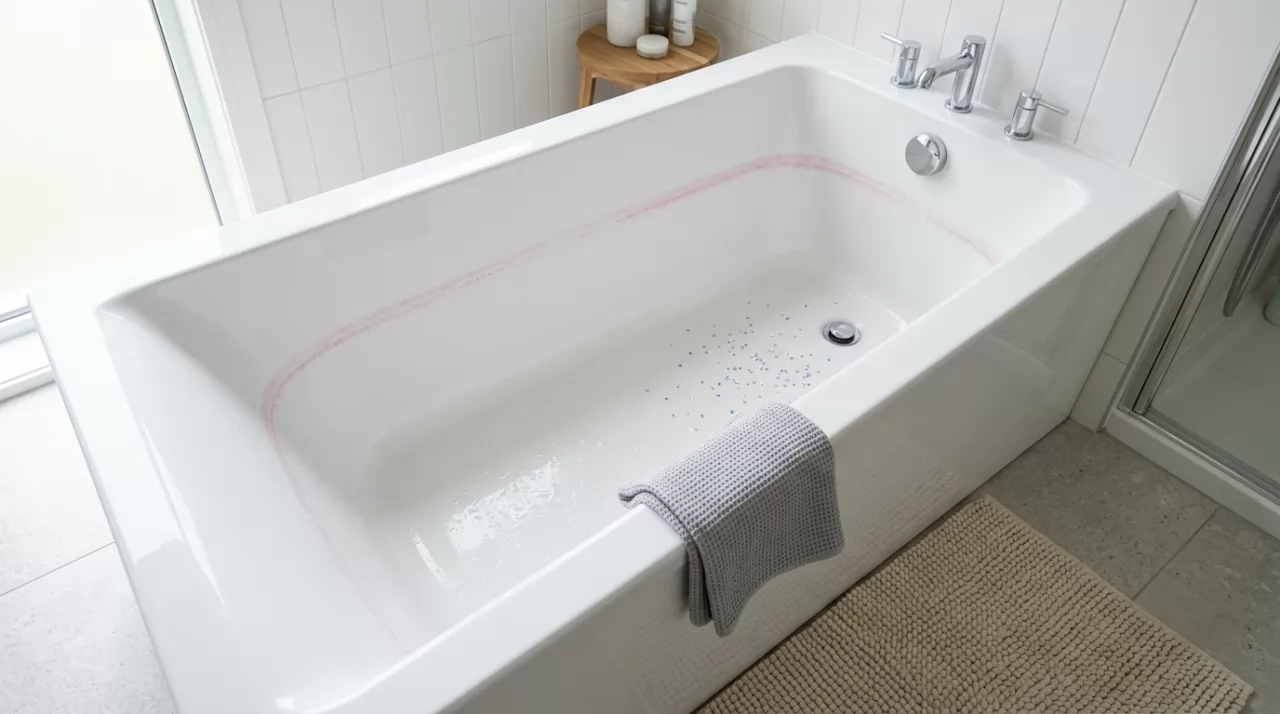
Mica and dyes cling to acrylic tubs, and oils make the surface slick. Wipe the tub while it's still wet, using a soft cloth and a mild cleaner. Avoid abrasive powders on acrylic. If your drains clog easily, skip glitter bombs altogether.
Itching or Redness After the Bath
Rinse off right away with plain lukewarm water and stop using that product. If symptoms last more than a day, or you notice swelling or blistering, see a pharmacist or doctor. Take the packaging with you so they can check the ingredient list.
Bath Bomb FAQs
Most bath bomb questions come down to timing, safety and shelf life. In short: rinse off after every bath bomb soak, keep soaks to 15–20 minutes, give children only products made for them, and use bombs before they lose their fizz.
Should you shower after using a bath bomb?
Yes. A quick lukewarm rinse removes leftover dye, oil and fragrance, which matters most for intimate areas. It also keeps colored residue off your towels.
How long should you stay in a bath bomb bath?
About 15–20 minutes. If your skin is dry or easily irritated, keep it to around 10 minutes, since long warm soaks can strip your skin's natural oils.
Can kids use bath bombs?
Yes, but only bath bombs labeled for children, with an adult present and a short soak. Adult products often have stronger fragrance and dyes that can bother young skin.
Do bath bombs expire?
Yes, effectively. They slowly lose fizz and scent, so check the label date and the period-after-opening (PAO) symbol where it's printed. The PAO symbol is an open-jar icon with a number such as "6M" that shows how many months a product lasts after opening.
Your Next Soak: A 30-Second Recap
The whole bath bomb routine is five moves: fill the tub with warm water, drop the bomb in, wait for the fizz to stop, soak for 15–20 minutes, and rinse off. Those bath bomb tips for beginners prevent most problems, from stained tubs to itchy skin.
Before you buy your next bath bomb, read the ingredient list. Keep one patch-tested favorite in an airtight jar, and try the 7 steps tonight. Enjoy your bath.